If the Dallas–Fort Worth (DFW) economy were a road trip, we’d say it’s still cruising down the highway. It isn’t speeding like it did a few years ago, but it’s definitely not stuck in traffic either.
The biggest news? Jobs are still being added across Texas, including North Texas. The Federal Reserve Bank of Dallas expects Texas to add around 264,000 jobs, even though hiring has slowed slightly compared with previous years. That’s actually a pretty healthy sign—it means the economy is growing at a more sustainable pace rather than sprinting at full speed.
So, what’s keeping DFW busy?
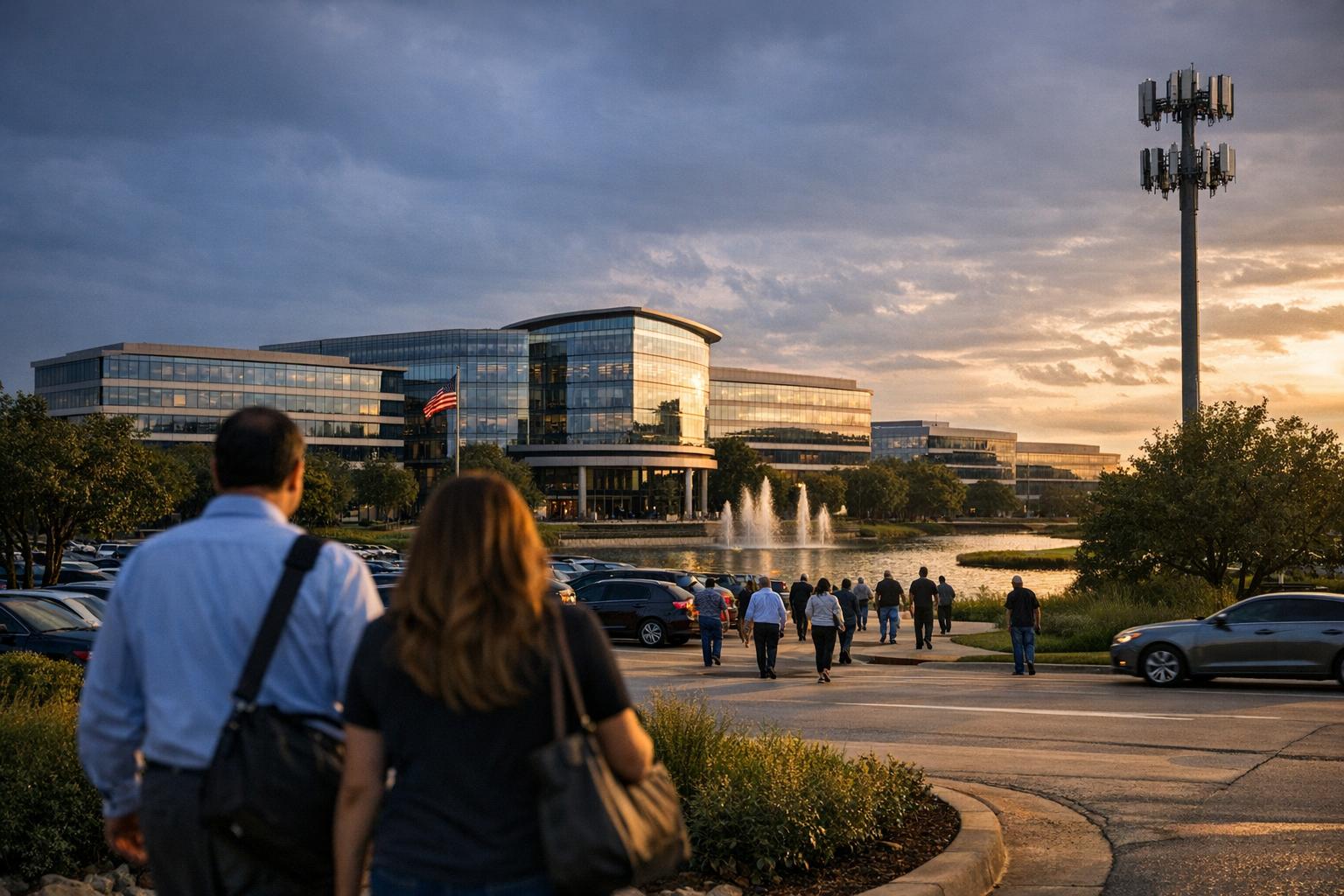
For starters, companies still love moving here. The region continues to attract corporate offices, technology companies, logistics businesses, and manufacturers. That means more jobs, more people moving in, and yes… probably a few more traffic jams. (Sorry, I-35.)
At the same time, there are a few speed bumps. Higher mortgage rates mean some people are waiting longer to buy homes. Manufacturers have also reported slower production this month, mainly because businesses are being careful about costs and the global economy. It’s not panic mode—more like everyone checking the weather before planning a picnic.
For homebuyers, this creates an interesting opportunity.
As the market becomes more balanced, buyers often have a little more negotiating power than they did during the wild bidding wars of recent years. Sellers still have plenty of opportunities too, especially if their home is priced well and move-in ready.
The bottom line?
DFW remains one of the strongest regional economies in the United States. Population growth, business investment, and steady job creation continue to support long-term demand for housing. While 2026 isn’t the “everything sells in one weekend” market we once saw, it’s shaping up to be a healthier and more predictable one.
That’s good news whether you’re buying your first home, upgrading, or simply keeping an eye on the market.
Sometimes slow and steady really does win the race.